

Probably one of the most overused or misunderstood words when it comes to singing is the word tension.
In singing, when we think of the word tension, we automatically think it's bad. But the right kind of tension can actually be a good thing… what? Let me explain.
When Tension Is Not Good
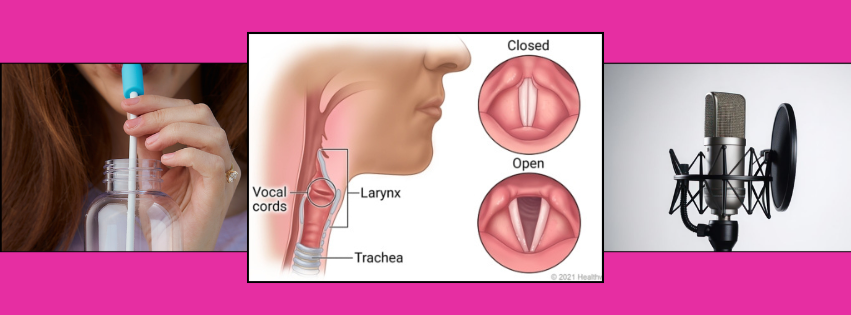
Physiologically when we coordinate breath to the vocal folds they create pitch. When it comes to any muscle outside of the vocal folds themselves, deliberate tension is usually not good. For example, we don’t want the swallowing or chewing muscles involved in the pitch making. We don’t need neck and shoulder tension when singing. We don’t need to reach up physically for the pitch. Becoming aware of unnecessary or compensatory muscle involvement is key.
Of course, when a performer gets on stage, there may be dynamic movement and connective tissue movement, but this is where training is important. The performer needs to have their vocal foundation set so that they can move freely and sing with balance and power.
By the way, when there is far too much tension, it can sometimes manifest into MTD (Muscle Tension Dysphonia). Please check out my podcast episode “Looking Inside the Voice” for more info on MTD.
The Kind of Tension the Voice Actually Needs
The actual definition of the word tension is the state of being stretched. When it comes to creating pitch with our vocal folds, here’s where tension is a good thing.
The cricothyroid (CT) muscle is responsible for raising pitch. When we sing higher pitches, we need to allow the CT muscle to stretch the vocal folds (which creates good tension), allowing them to vibrate faster for higher notes.
Without that occurring, you will stay stuck in the bottom of the voice. You will most likely hit a wall, sing flat when ascending, and you may even try to pull up too much of the bottom (chest voice) into bridging area. (Here’s where you may see a lot of singers physically reaching with their chin for that high note and it’s not necessarily helping them)
How to Avoid Bad Tension
So how can we sing without the bad tension but create the right mechanical tension?
When in doubt, start with an SOVT exercise. Try a lip trill, which automatically creates balanced coordination of the breath to the vocal folds. Then move towards vocal unloading (lower larynx exercises, higher larynx exercises followed by speech level exercises). As you learn to free up your vocal folds and stabilize your larynx you can navigate through the bridges of the voice. And no, unloading doesn’t mean you don’t sing with power. Often we are worried about losing power, but with the right muscles involved you can eventually learn to lean into that foundation.
Singing improves and is more comfortable when the correct muscles are doing their job and the surrounding muscles stay out of the way. If you are unsure about tension and it’s leading to strain, it may be time to take get some technical training.
